

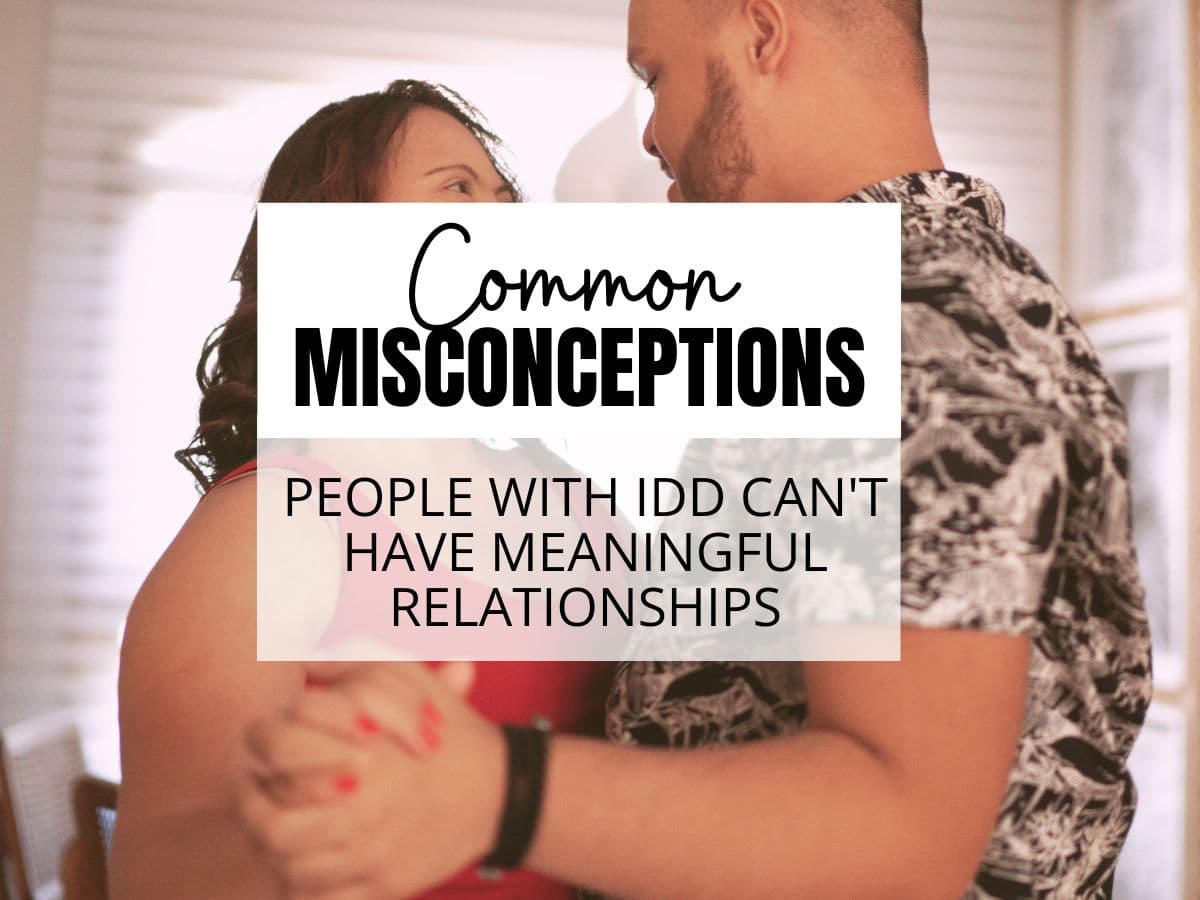
Hey friends! Welcome to the Common Misconceptions series, where we tackle some of the ideas people have about the disability community. Let’s dive in and clear things up!
We all want to feel connected. Why should it be any different just because someone has a developmental disability?
Spoiler alert: it isn’t!
Understanding the Misconception: Where Did It All Start?
So, where did the idea come from that people with developmental disabilities can’t form meaningful relationships? Maybe it’s rooted in outdated stereotypes that paint individuals with disabilities as being somehow “less than”. Thoughts like “They don’t get what friendship is” or “Dating? No way could they handle that”.
Here’s the thing—everyone, and I mean everyone, craves connection, companionship, and yes, love.
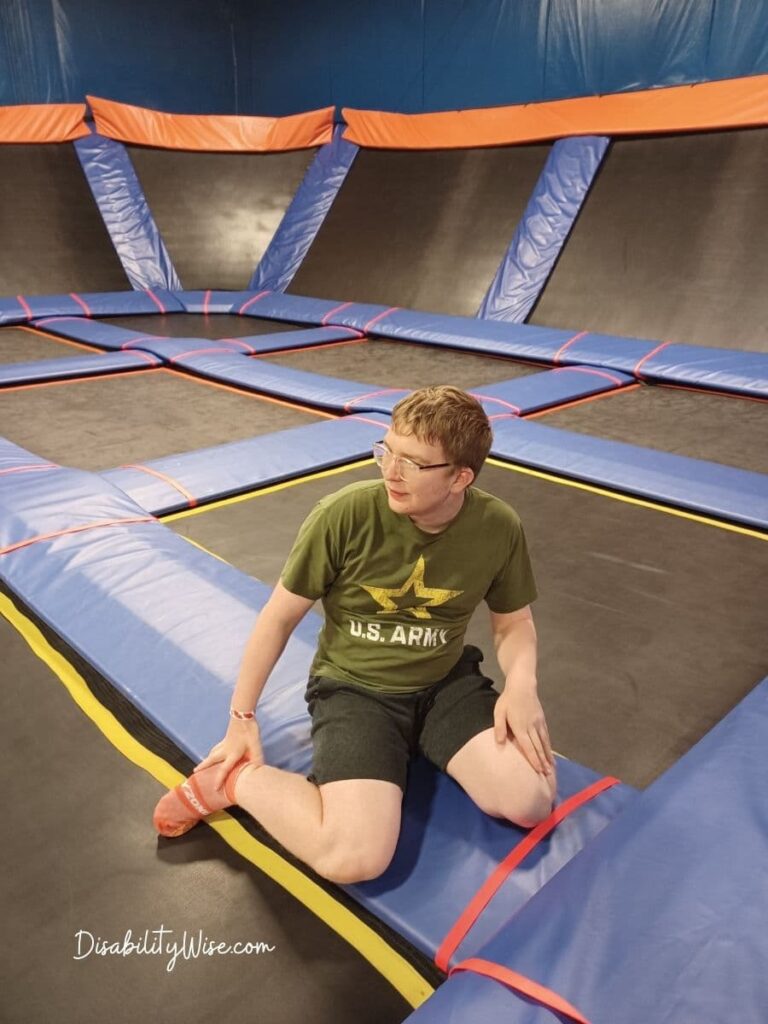
The little quirks that make us all unique can sometimes lead to misunderstandings about what a person can really do. Ever notice how if someone isn’t great at chatting, making eye contact, or socializing, people often assume they don’t get what’s going on.
Thankfully, relationships aren’t measured by how many words you know or how smoothly you can navigate small talk. They are built on mutual respect, understanding, and love—stuff that makes any relationship work, no matter who you are.
The truth is, people with developmental disabilities can, and do, have meaningful relationships. It might just look a little different, that’s all.
Practical Tips
Looking to help someone with IDD form relationships?
- Find Shared Activities: Maybe it’s painting, playing soccer, or baking. Shared activities are great for bonding.
- Encourage Hangouts: Make a point to plan hangouts and get folks together. How about a community outing? Think book clubs, local dance nights, jump parks, restaurants, etc.
- Ease the Communication: Visual aids or technology can be a game-changer in conversations. Remember, a picture speaks a thousand words!
- Modeling: Show empathy, help them practice active listening, and explain how to handle disagreements. By doing this, you equip them with the skills to navigate their own interactions smoothly.
- Be Patient and Understanding: Relationships aren’t built overnight. Be patient, offer gentle nudges, and keep the encouragement flowing. Good things take time.
Related: Life After High School for Young Adults with Developmental Disabilities
Myth Busting: Just Like Everyone Else
Guess what? People with intellectual and developmental disabilities (IDD) experience the same feelings we all do. Shocking, I know (cue the eye roll).
As parents, we know this better than anyone.
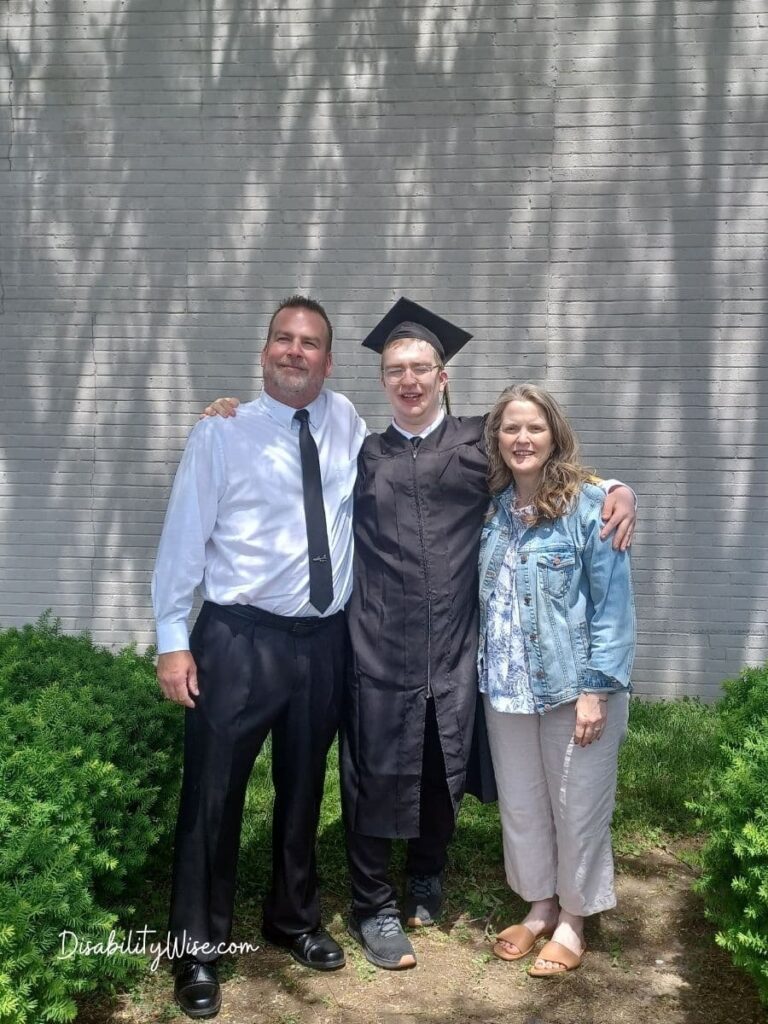
Take my son, for example. Like any teenager, friends mean everything to him right now. Sure, he might interact differently—sometimes he tends to overshare about only the things that interest him, gives out random hugs without warning, or has a hard time knowing when to stop goofing around.
But those moments? They’re genuine and they count. He has friends in his life who understand him, and they share laughs and adventures that are just as real as any friendship out there.
Ya know, personally, I think people with IDD have a beautiful way of teaching us to cherish those who truly get us. They remind us to embrace our quirks and show us that love and friendship show up in all sorts of unexpected ways.
Practical Tips
If you’re helping an individual with IDD navigate the world of relationships, keep these in mind:
- Boost Their Independence: Give them the freedom to make their own decisions and feel confident in their relationships. Offer your support and guidance, but also step back when needed.
- Chat About Healthy Relationships: Talk about what makes relationships work, like consent and setting boundaries.
- Encourage Open Communication: Let them know it’s okay to talk about how they’re feeling or any concerns they might have. Whether it’s about a friend or a potential romantic interest, having open lines of communication is the key.
- Celebrate Milestones: Don’t forget to cheer for those small wins in relationships! You know, like when you make a new friend, have a first date, or just try something new.
Overcoming Challenges
The reality is, society often has a one-size-fits-all approach, and anyone who doesn’t quite fit that mold might feel out of place. It’s like being a square peg in a round hole.
But it’s not just about fitting in; it’s about changing the shape of the hole (so to speak) to welcome everyone. How do we do that? By breaking down barriers and learning a bit more. Because at the end of the day, we’re all just trying to find our place in the world.
Social Stigma
We can’t ignore the elephant in the room: social stigma.
It’s a barrier that many individuals with disabilities face every day. This stigma often stems from misinformation and a lack of understanding, leading to misconceptions that can isolate and marginalize.

Imagine the impact of being constantly underestimated or misunderstood. It can make forming connections and being part of a community feel like an uphill battle.
But here’s the good news: by addressing these misconceptions head-on, we can dismantle the stigma and shift perceptions.
Social stigma is a real challenge, but one that’s being tackled by self-advocates, families, and organizations who are putting in the effort to change the narrative. The more we talk about it, the more we break down those barriers for our loved ones.
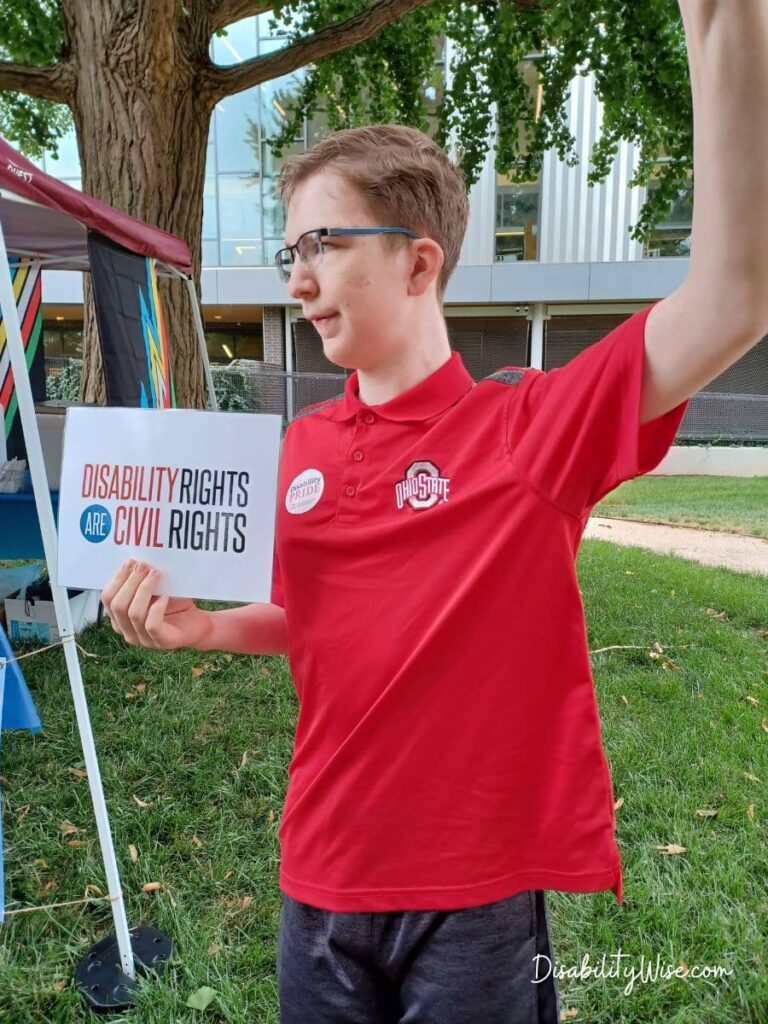
But fighting stigma isn’t just about changing perceptions; it’s giving people with developmental disabilities a voice. Celebrating their differences and recognizing the value each individual brings to the table.
Education and Awareness
Knowledge really is power! The more we share with family, friends, and the people in our communities about the amazing things people with IDD can do, those old labels start to fade away. This allows others to see them for who they truly are.
And let’s not forget the power of a good story. Sharing real-life experiences and victories gives a real peek into life with a developmental disability. These stories show off strengths and resilience, turning pity into admiration.
Have you heard of Story Corps? Through recordings, podcasts, and animations, everyday people share their personal stories about what it means to be human. Definitely worth checking out! Here’s a great article highlighting folks living with disabilities and their amazing stories in celebration of Disability Awareness Month.
So, have you shared your story with anyone?
Encouraging Empathy
Empathy is like the magic glue that holds us together. When we take a moment to see the world through someone else’s eyes, it just makes connecting so much easier. When we try to step into someone else’s shoes, even for a moment, we realize how similar we all are at the core.
It encourages others to listen more and judge less, paving the way for genuine connections. It’s like a gentle nudge reminding them that everyone deserves to be seen, heard, and valued.
Final Thoughts
People with intellectual and developmental disabilities (IDD) can and do have meaningful relationships, whether it’s friendship or romance. By challenging misconceptions and spreading awareness, we can help create a world for our loved ones where love and friendship are for everyone. Here’s to building a community where everyone gets a chance to thrive in meaningful connections!
Let’s keep the conversation going by sharing your thoughts on this topic below.
SHARE ON: